If you are looking for plants that create long-lasting summer color, go with one of these bulbs to plant in spring. They take minimal effort and come in a variety of colors and interesting shapes.
Bulbs are an excellent choice to fill in the gaps of your garden for a full looking bed. Many of these are also great in containers to create showpieces for your patio, deck, or even the front entrance of your home.
Nerine Lilies
Nerine lilies look similar to other lilies but their blooms are more spider-like. They are a very unique flower that produces late summer color in gardens. In addition, their blooms are also fragrant and deer resistant.
Nerines thrive in full sun and gritty soils. They are grown as an annual in zones colder than 7 or they need to be lifted and stored for spring replanting.
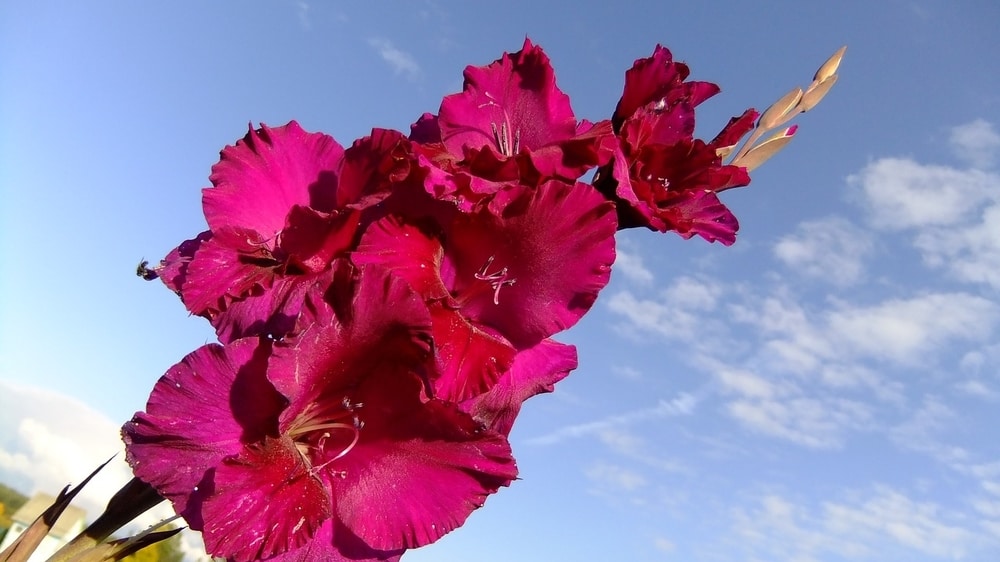
Gladiolus
Gladiolus are flowers that grow up skinny stalks reaching between 4 and 6 feet tall. These plants come in a wide range of colors which makes them perfect as the back row along bed borders. They also make excellent centerpieces in pots and amazing bouquets.
As for planting, place them in fertile, well-draining soil. They are only cold hardy to zone 7, so colder climates will need to dig them up to keep them over the winter or grow them as annuals.

Lilies
There are many plants referred to as lilies, but here we are referring to those in the genus Lilium. They grow tall and have bright, speckled, or stripped flower clusters at the top. Fortunately, there are many to unique colors to choose from. Because they grow straight up, they don’t take up much space on the ground.
They are good for adding bold color in tight spaces. Plant these in well-draining soil and full sun for best results. However, they will tolerate less sun and even partial dappled or light shade.
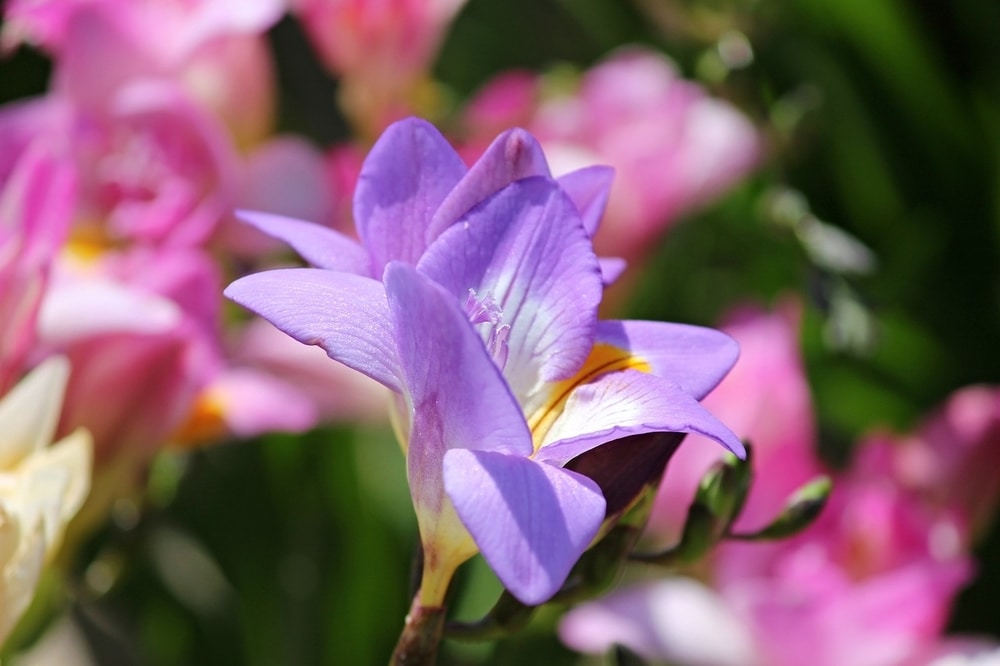
Freesia
Freesia blooms smell of citrus and come in a variety of bright colors. Their blooms face to the sky and only one side unfurls. They are an exotic-looking flower that any gardener would crave to have.
These flowers will do well in full sun and well-draining soil.
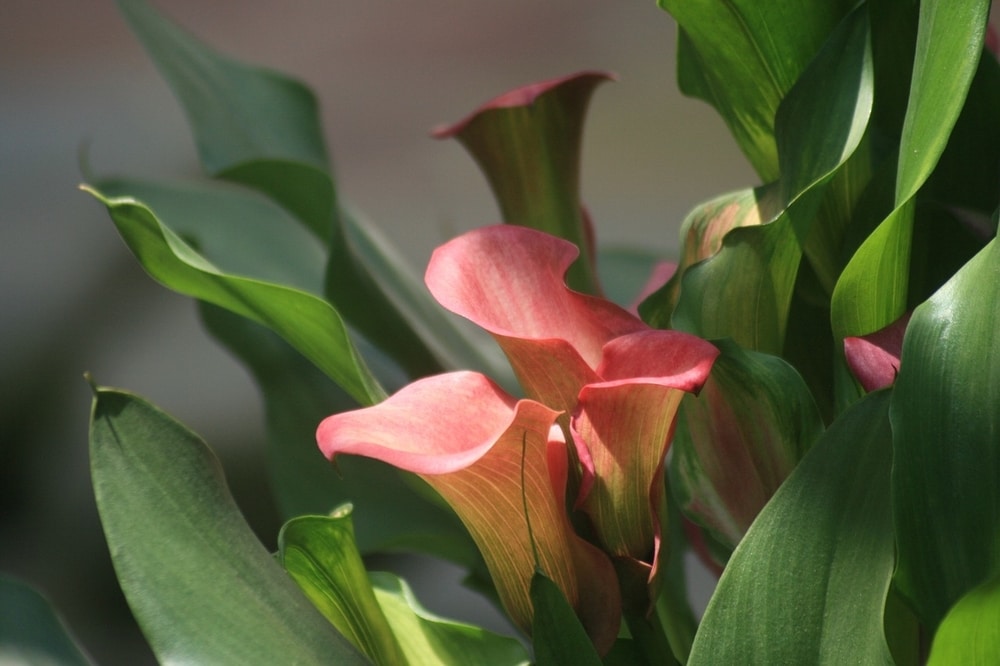
Calla Lilies
Calla lilies are very graceful looking and should be planted in a location that shows them off. Their flowers are shaped like a trumpet and are available in an array of colors which are surrounded by speckled leaves. Callas perform well in partial shade and on the borders of one’s garden.
There is more than one genera that is commonly called a calla lily. The genus we are referring to is Zantedeschia as they grow from a bulb and not Calla which has a rhizome root.
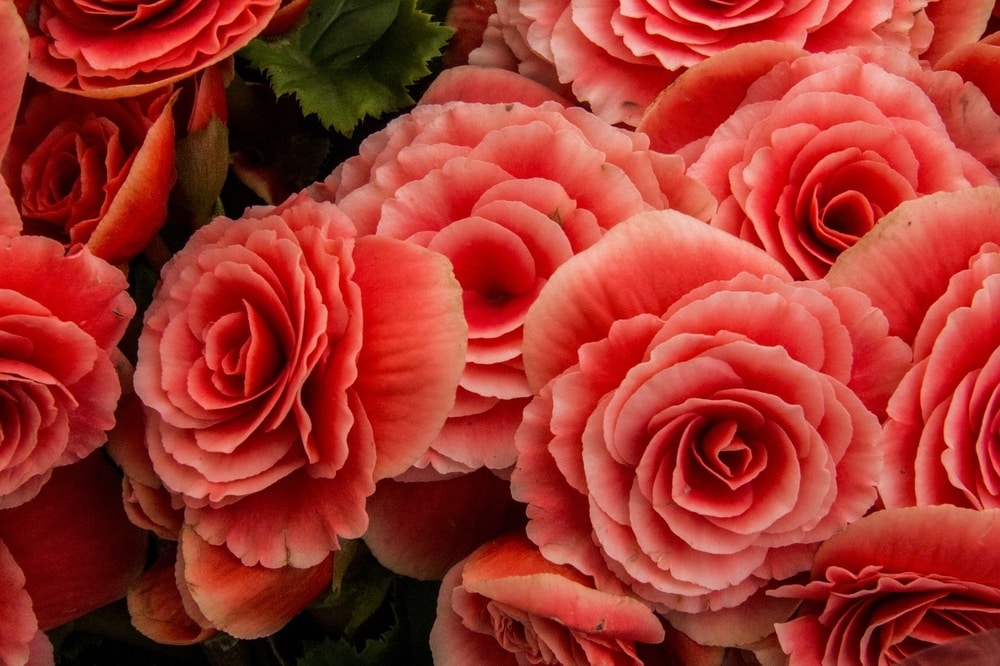
Begonias
Begonias have bright, rose-like blooms that can last all season long. Despite being such short plants, their flowers can reach 5 or 6 inches across! This can be a bold statement in any garden. These plants are shade-loving and require regular feedings.
You can either grow them in a shady area of your garden or tend to them in pots which can be started in early spring inside. In addition, they can be pleasant house plants. Bringing them indoors is a good option to extend their blooms if your area is in threat of a frost.
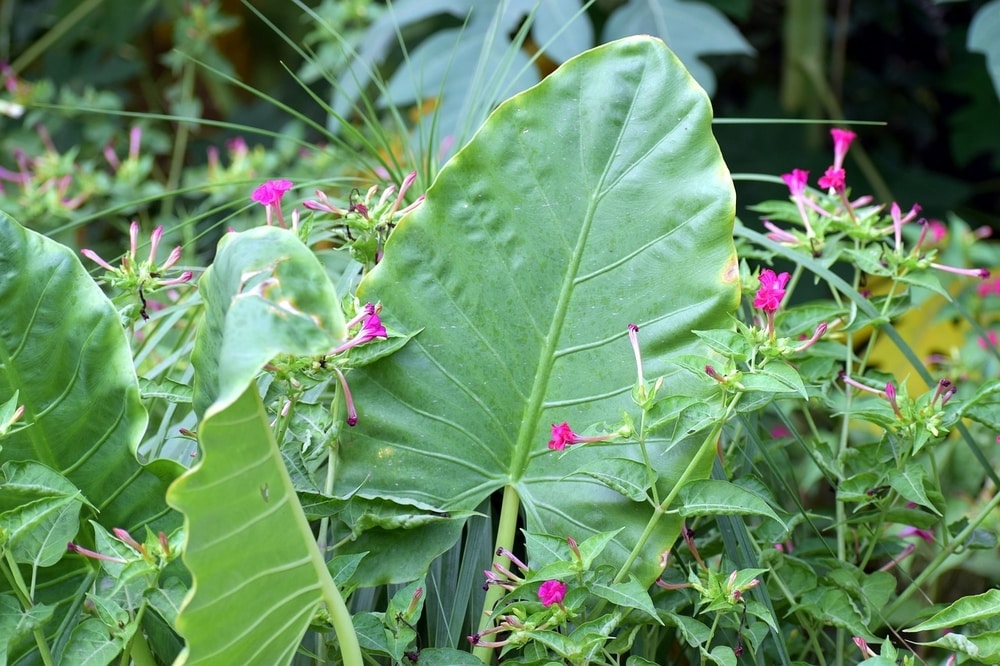
Elephant Ears
Elephant Ears is the common name for three genera: Colocasia, Alocasia, and Xanthosoma. These plants have large foliage that can add a dramatic look to your garden. Some are so large that they can be used as a privacy screen. They also work well as a backdrop for other colorful flowers or as potted plant centerpieces.
If you live in a cooler climate zone, they act as annuals unless you bring them inside over the winter as they are more of a tropical plant that has gained in popularity in northern regions.
You have your choice from varieties that have leaves with contrasting undersides, bright colored leaf ribs, glossy sheens, and even velvety textures.
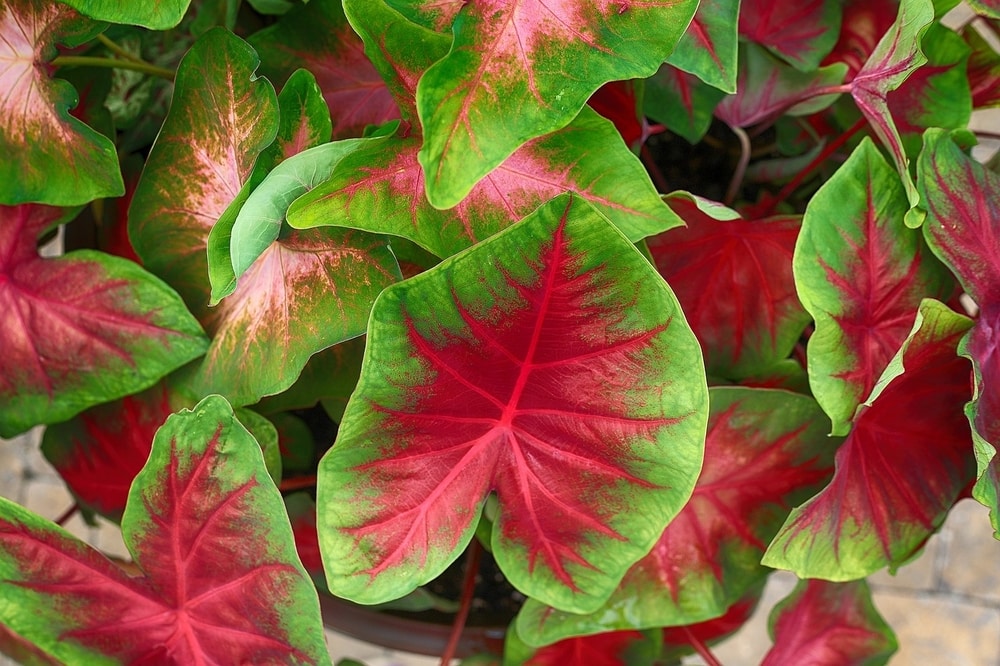
Caladium
Caladium is also sometimes referred to as an elephant ear, but we’ve set it aside due to it’s bright color. Its pink foliage will last all summer long. They prefer shade and their color and shape creates a tropical feel. We recommend using these to create an interesting potted plant arrangement.
You can even grow these indoors as a houseplant. They are happy with moist soil and bright, indirect light.
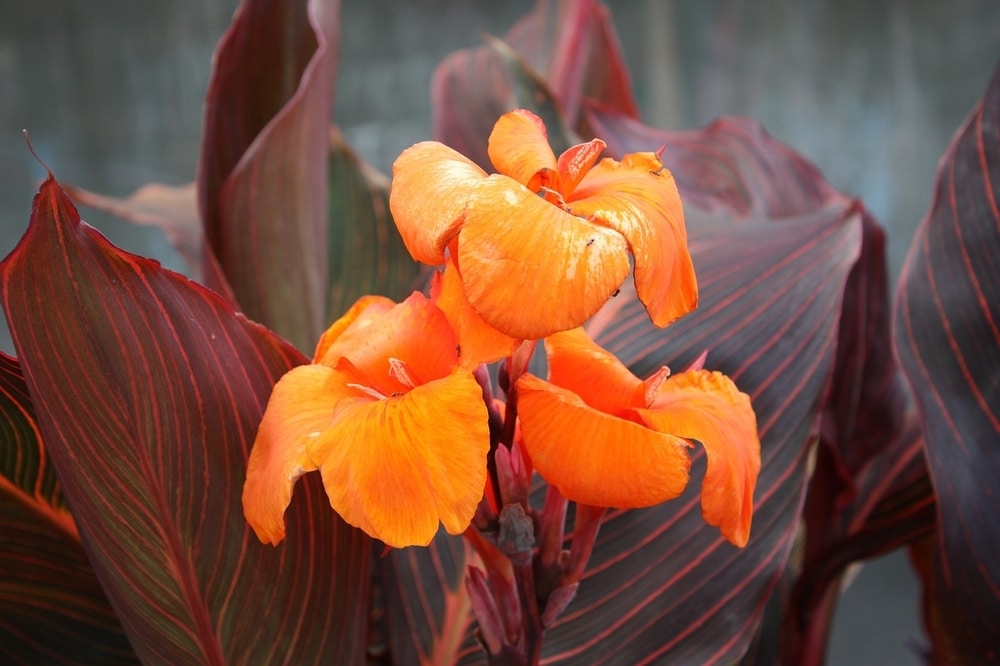
Cannas
Canna lilies also look tropical with their large uniquely colored leaves and stalks that are topped with an even more interesting bloom. They are easy to grow and their flowers last for many weeks if they are in a sunny spot.
Canna’s foliage ranges from and elegant brown to burgundy-purple to chartreuse green. They make and excellent centerpiece for large potted planters which is where we use them. This makes it easier to store them indoors over the winter so they won’t die from frost. Those of you in warmer climates are lucky.
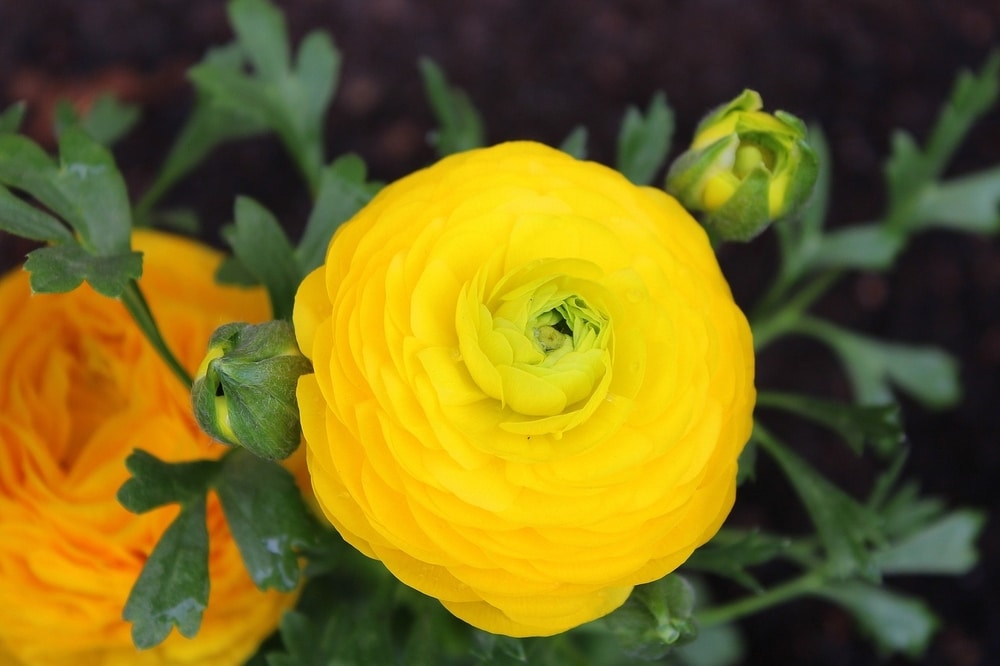
Ranunculus
Ranunculus have dense packed petals within each flower that look similar to a rose. They are about a foot tall and come in red, pink, yellow, and white. These make a gorgeous cut flower arrangements.
They thrive in full sun and need to be brought indoors in winter unless you are in a warm climate zone.
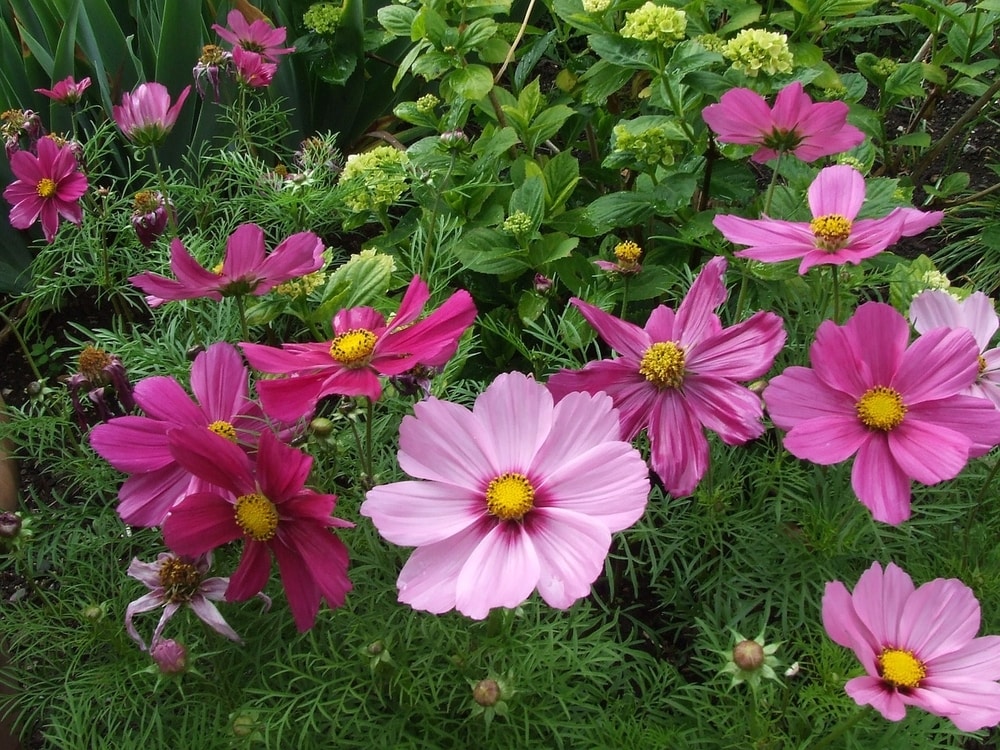
Anemones
Anemone have colorful upright flowers and lower foliage. You may have heard them called windflowers because of how they sway in the wind. They come in a range of colors, grow to different heights, tolerate different light conditions, and bloom at different times depending on the variety.
You can find a variety suitable for any intended site. They tolerate average soil and are also deer resistant. Anemones can form a groundcover if left to spread or contained in planters.
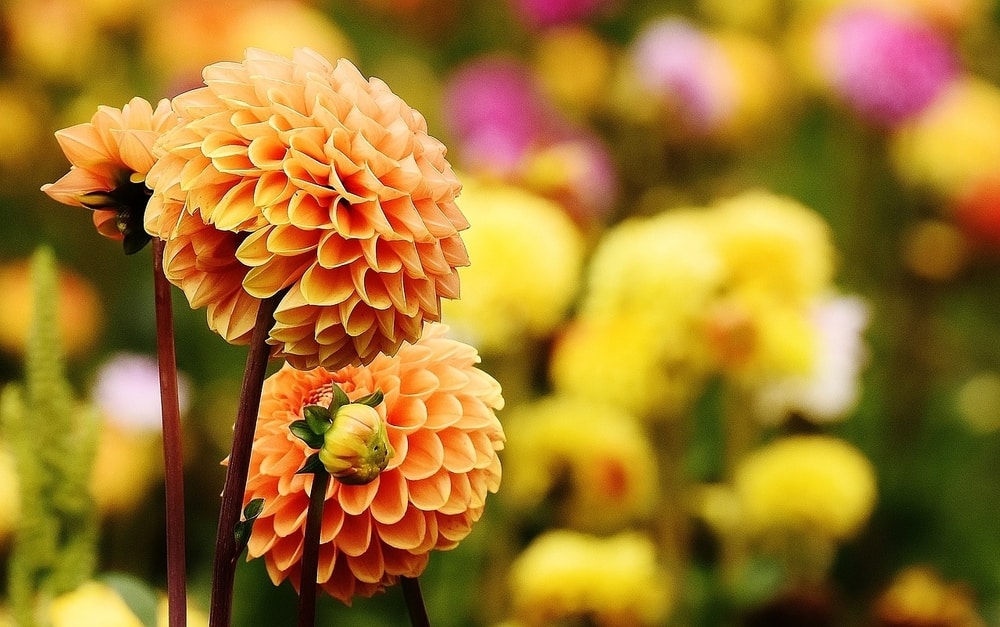
Dahlias
Dahlias are simply amazing. These come in so many unique colors, sizes, and intriguing flower shapes. They love full sun and well-drained soil. If you put in the effort to give one of these plants their ideal conditions, they will blow you away with prolific blooms towards the end of summer.
It can be challenging to decide where to start with how many cultivars are available. You’ll have lots of fresh cut flowers if you have one of these plants in your garden. Sadly, those in colder climates will need to dug up and brought inside for the winter to prevent them from dying.

Shamrock
Shamrock has heart-shaped leaves and delicate flower blooms. It’s often referred to as shamrock. These plants have a mounding habit which works well in potted plants. They are low-growing plants that are also commonly used as a flowering groundcover.
Shamrock can be planted in both partial and full sun settings. One common variety, Oxalis tetraphylla, has green leaves and pink flowers. Another frequently seen plant is called Oxalis triangularis, which is purple with white flowers. There are some other interesting varieties.
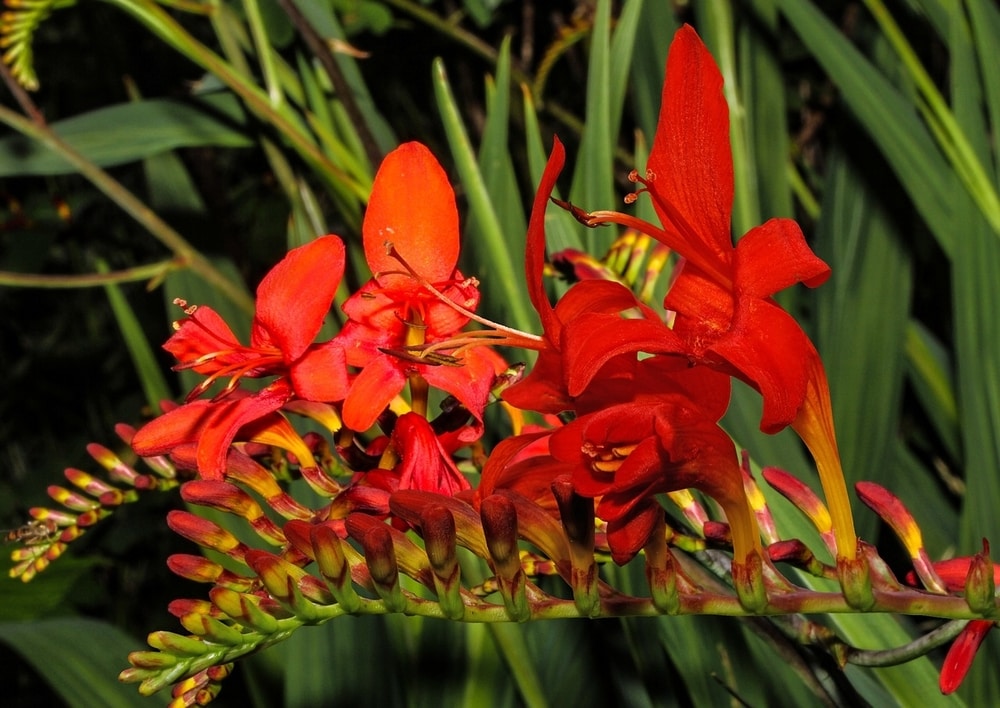
Crocosmia
Crocosmia are very eye-catching plants due to their vibrant colors and sword-shaped stems. Butterflies and hummingbirds love these plants. They are easy to grow and multiply readily since they tolerate both sun and part shade. However, they do require a well-draining soil.
You can expect steady blooms from mid-summer through mid-fall. In addition, they make for excellent cut flowers.
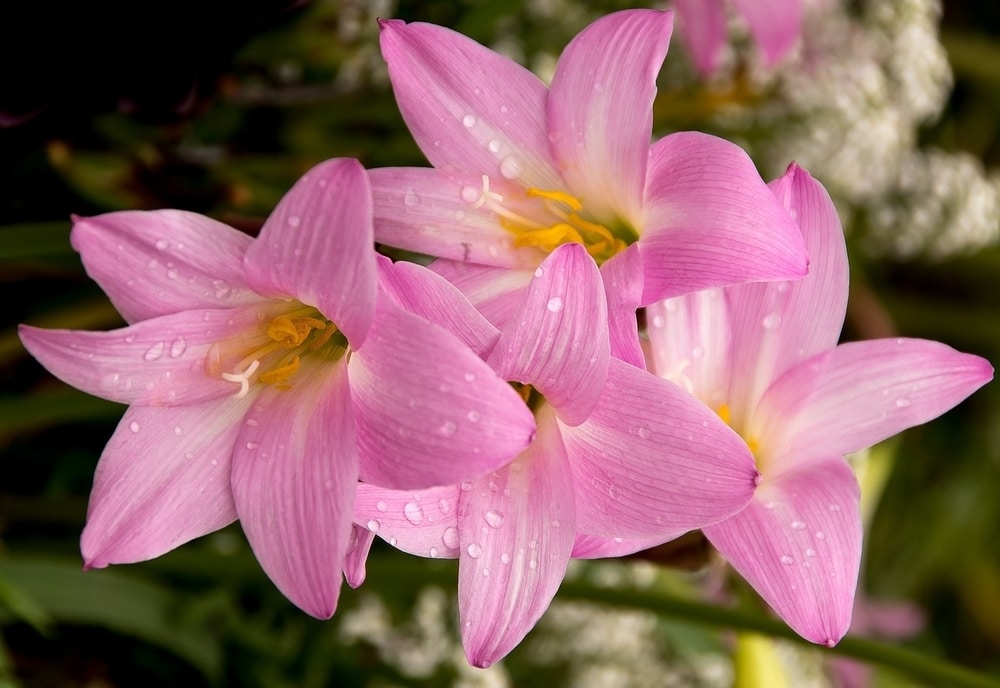
Rain Lilies
Zephyranthes are commonly known as rain lilies, ‘Fairy Lilies’, and ‘Zephyr Lilies’. These plants have skinny stalks and goblet-shaped flowers. Rain lilies are quite adaptable to weather and can survive dry spells. However, they may not bloom until there is a soaking rain during the summer.
They love humus rich, moist but well-draining soil that is slightly acidic and are only hardy to zone 7. You’ll need to bring them inside for the winter if you live in a colder climate zone.
We love the colorful, dramatic blooms that comes from planting spring bulbs. They last longer than most perennial blooming periods and fill in gaps in any garden. A few of the taller ones are excellent as centerpieces in planters that we create for our clients.
What spring bulbs do you plant in your garden?